 "Revolutionizing Data Extraction, Unlock Hidden Data, Unlock New Possibilities"











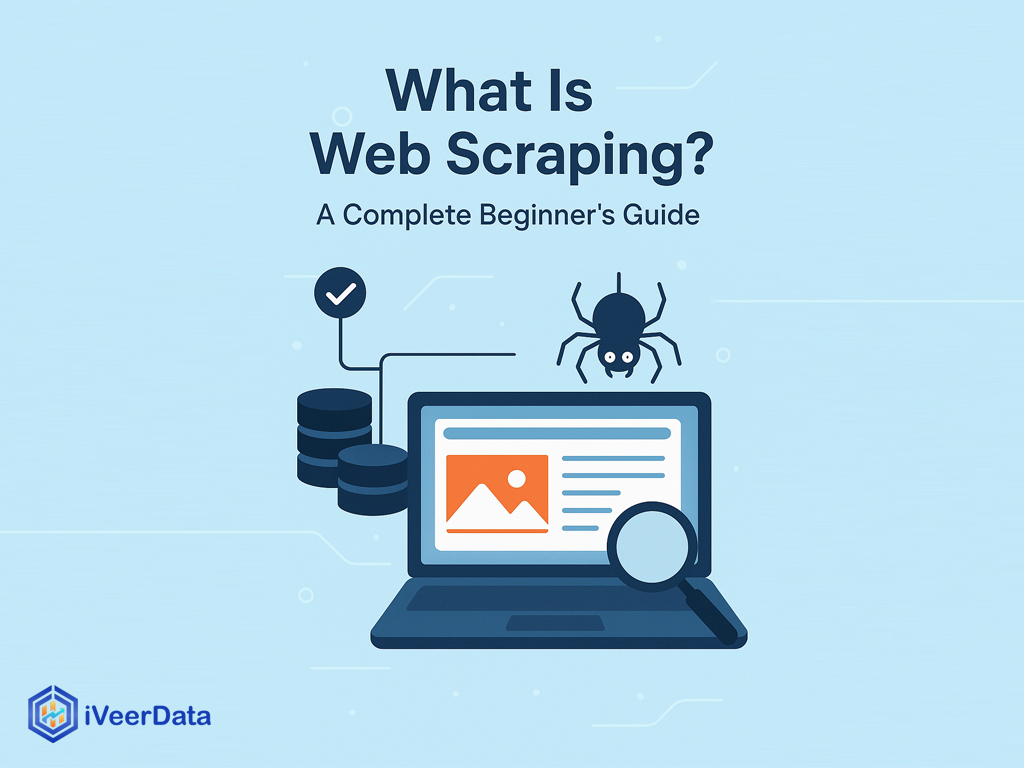
What Is Web Scraping? A Complete Beginner’s Guide
In today’s digital world, data is the new fuel that powers modern businesses, analytics platforms, and AI systems. But most of this data is locked inside websites.
This is where web scraping becomes a game-changer.
Web scraping is the automated process of collecting information from websites using software tools or scripts. Instead of manually copying data from pages, a scraper fetches, extracts, and organizes data into a structured format like JSON, CSV, or Excel.
Whether you’re in eCommerce, finance, marketing, research, SaaS, or competitive intelligence, web scraping helps you gather accurate and real-time data at scale.
How Web Scraping Works
Web scraping typically involves four key steps:
1. Sending a Request
A tool or script sends a request (like a browser) to a webpage URL.
2. Fetching the HTML
The website returns the page’s HTML code, containing the raw data.
3. Extracting Data
The scraper identifies patterns, HTML tags, or API endpoints to extract useful information such as:
- Product prices
- Stock availability
- Reviews
- News articles
- Social media posts
- Betting odds
- Company information
4. Storing Data
The extracted data is saved in organized formats like:
- CSV
- Excel
- JSON
- Databases (MySQL, MongoDB, PostgreSQL)
Advanced systems also integrate scraped data into dashboards or automate analysis using AI.
Why Do Businesses Use Web Scraping?
Web scraping fuels countless business applications. Here are the most common:
1. Competitor Price Monitoring
E-commerce companies track competitor prices, promotions, and stock availability to stay competitive.
2. Market & Trend Research
Brands monitor online trends, consumer interests, and product performance.
3. Lead Generation
Scraping helps collect business listings, emails (where allowed), and potential leads.
4. Financial Data Extraction
Traders use scraping to gather:
- Stock market prices
- Crypto data
- Financial news
- Economic reports
5. Content Aggregation
Platforms collect data from:
- News portals
- Classified ads
- Coupons & deals
- Job listings
6. Social Media Monitoring
Businesses track:
- Brand mentions
- Influencers
- Trends
- Hashtags
7. Grocery & Retail Data Scraping
Retailers use scraping to monitor:
- Real-time grocery prices
- Discounts
- Product availability
Is Web Scraping Legal?
Web scraping is legal when:
- You scrape publicly available data
- You follow robots.txt guidelines
- You do not scrape personal or sensitive data
- You comply with platform terms
Ethical scraping focuses on data collection without harming servers or violating privacy.
Challenges in Web Scraping
Some websites use anti-bot measures such as:
- CAPTCHAs
- IP blocking
- JavaScript rendering
- Rate limiting
To overcome these, advanced scrapers use:
- Rotating proxies
- Residential proxies
- Headless browsers
- AI-based data parsing
Who Uses Web Scraping?
Web scraping is essential for:
- E-commerce companies
- Digital marketers
- SaaS platforms
- Data analysts
- Financial institutions
- Research agencies
- Media companies
- Price comparison websites
Benefits of Web Scraping
- Automates data collection
- Saves time and resources
- Provides real-time insights
- Enables better business decisions
- Supports AI & machine learning models
- Increases operational efficiency


